
Imported candy · Direct from origin
Greece
Direct Importer
European candy, sourced at origin
Open to Everyone
Retail & wholesale · 3 kg minimum order
Net-30 (approved)
Flexible terms for qualified accounts
US + Canada Shipping
Two shipping zones, one supplier
In stock from this origin
Filter
Frequently asked questions
What Greek candy brands do you carry wholesale?
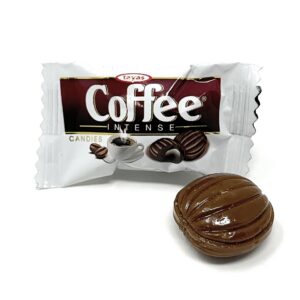
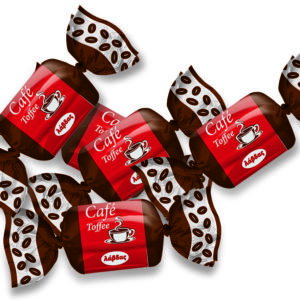
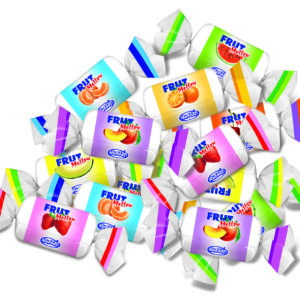
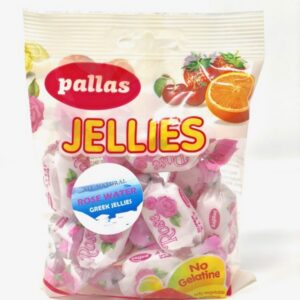
Our Greek catalog includes Fantis, Pallas, and Jannis, covering fruit jelly candy, ouzo hard candy, mastic-filled candy, fruit and coffee toffee, and additional Greek confection formats.
Do you carry Greek halva wholesale?
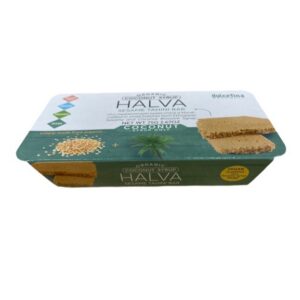
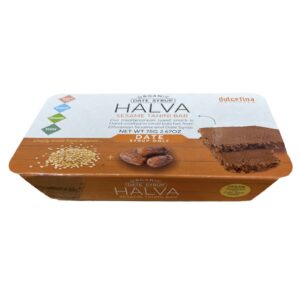
Yes. Halva in classic and almond formats is available in the Greek range. Gluten-free options are available; check individual product pages for details.
What is Chios mastic candy?
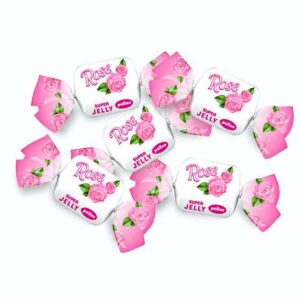
Chios mastic is a natural resin harvested exclusively on the Greek island of Chios. Candy filled with Chios mastic and rose has a distinctive aromatic flavor unique to Greek confectionery.
Are gluten-free or vegan Greek candy options available?
Yes, gluten-free, vegan, and sugar-free options are available within the Greek range. Check each product page for specifics.
When does Greek candy sell best?
Greek candy and halva see strong lift around Greek Orthodox Easter and Christmas and during summer community festival season. Build depth ahead of those windows; halva and hard candy hold up well for deeper safety stock.
What allergens are common in Greek candy?
Tree nuts, peanuts, wheat, soy, eggs, and milk are common, and sesame is present in halva. Full allergen information is on each product page.
Can I buy Greek candy by the case for a Mediterranean grocery?
Yes. Greek candy is available by the case with quantities listed on each product page. Approved wholesale accounts receive Net-30 terms.
Quick answer
Imported Greece candy is available to order by the case from CandiesWholesaler for buyers across the US and Canada — shops and private customers alike, with a 3 kg minimum. The Greece range features loukoumi (Greek delight), mastic sweets, and halva. Prices are shown to everyone; open a wholesale account for account pricing and Net-30 if you order regularly.
Greek confectionery occupies a genuinely distinctive corner of the imported candy market. Beyond familiar Mediterranean flavor notes, the category includes products, particularly halva and mastic-flavored candy, that have few direct equivalents in European or American confectionery. If you are a specialty grocery importer, Mediterranean food retailer, or event candy buyer looking for Greek candy wholesale, this hub covers more than 40 products from established Greek producers including Jannis, Pallas, and Fantis, available by the case or bulk bag with duty-paid shipping to the US and Canada.
Greek Candy Brands We Stock
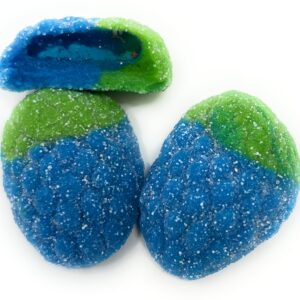
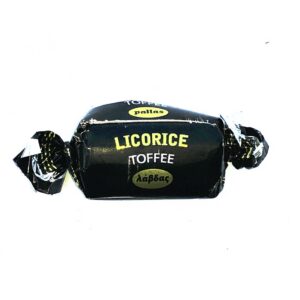
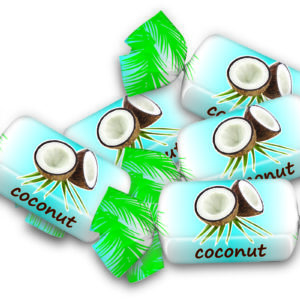
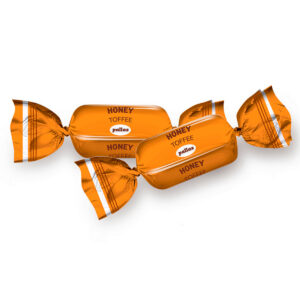
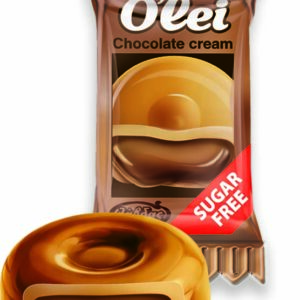
Fantis is the anchor brand for bulk Greek candy, producing several lines suited to import grocery displays. Their Greek Ibis fruit jelly candies mix, fruit hard candies mix, and ouzo-flavored natural candies represent the traditional Greek sugar-confection category. The ouzo candy, a hard candy with distinctive anise flavor referencing the spirit, is a conversation-starting item for specialty stores. Fantis also produces candy filled with Chios mastic and rose, a format tied to a centuries-old Greek ingredient. Pallas covers the toffee-caramel side with Greek coffee toffee, fruit toffee mix, coconut toffee, and a sugar-free butter-filled chocolate candy. Jannis contributes additional products. Together these three producers cover a cross-section of the Greek market from hard candy and toffee through jelly candy and specialty filled items.
Signature Greek Confections and Flavors
Greek candy is shaped by Mediterranean flavor traditions and a few unique local ingredients that differentiate it from Western European confectionery and give a retailer a real story to tell.
- Halva: Sesame-based halva is not a candy in the Western sense, but it occupies the confectionery aisle in specialty and Mediterranean grocery stores across North America. Greek halva here is produced in classic and almond formats, and gluten-free options are available. This is a category with steady demand from Mediterranean, Middle Eastern, and health-minded shoppers, and it carries a longer shelf life than chocolate, which helps with reorder planning.
- Mastic and rose candy: Chios mastic, a resin from the island of Chios, is a Protected Designation of Origin ingredient unique to Greece. Candy filled with mastic and rose carries a flavor that customers with Greek heritage recognize immediately and that import-food enthusiasts find distinctive.
- Ouzo-flavored candy: Anise-forward ouzo candy is a natural import for Greek and Mediterranean specialty stores. It functions as a cultural marker product that customers seeking authentic Greek imports reach for by name.
- Fruit toffee and hard candy: Pallas coffee, fruit, and coconut toffees cover the toffee-caramel segment, while Fantis fruit hard candies and jelly mixes serve the hard candy and gummies buyer.
- Marzipan-nougat: Marzipan and nougat formats round out the Greek range for buyers wanting full category coverage.
Gluten-free, vegan, and sugar-free options are available within the Greek range. Common allergens include tree nuts, peanuts, wheat, soy, eggs, and milk, with full details on each product page. Sesame is also present in halva and is a declared allergen in both the US and Canada, so label halva accordingly at the shelf.
Importing Greek Candy: Documentation and Logistics
Greek confectionery imports from EU-member Greece follow standard EU-to-US and EU-to-Canada food protocols. Required documentation includes a commercial invoice, packing list, and country-of-origin certificate, with FDA registration for US-bound shipments and CFIA requirements for Canada. Some specialty Greek items, particularly those involving Protected Designation of Origin ingredients like Chios mastic, may carry additional country-of-origin paperwork. We manage duty and clearance end-to-end, so buyers receive product duty-paid. The longer shelf life of halva and hard candy gives Greek imports more reorder flexibility than chocolate-heavy origins. Contact us through our contact page for stock availability and lead times.
Who Buys Greek Candy Wholesale
Mediterranean specialty groceries and import food stores serving Greek-American, Cypriot, and broader Mediterranean communities are the primary buyers. Greek cultural organizations, Orthodox churches, and community events source Greek candy and halva by the case for festivals, fundraisers, and feast-day celebrations. Specialty food retailers building Mediterranean sections use Greek candy to complement olive oils, spreads, and dried goods with a confectionery offering. Gift-basket companies producing Mediterranean-themed packages source Greek candy as a distinctive differentiator, and health-focused retailers carry halva as a traditional sesame confection with a better-for-you positioning relative to standard candy.
Merchandising and Reorder Cadence
For a Mediterranean grocery, lead the display with halva tubs and bars as the destination item and the recognizable ouzo and mastic candies as the cultural hook, then use Pallas toffees and Fantis jelly and hard-candy mixes as the everyday volume sellers. Greek candy sees pronounced lift around Greek Orthodox Easter and Christmas and around community festival season in summer, so build depth ahead of those windows. Because halva and hard candy hold up well on the shelf, you can carry deeper safety stock on those lines and reorder the toffee and jelly lines on a tighter loop tied to turnover.
Retail Versus Foodservice Use Cases
Greek candy serves both a retail shelf and a foodservice menu, and halva is the pivot point between them. In retail, the halva tubs and bars, ouzo and mastic candies, and Pallas toffees sit in the specialty and Mediterranean aisle as both destination items for the heritage shopper and discovery items for the adventurous one. In foodservice, halva crosses onto dessert menus and mezze platters at Greek, Mediterranean, and Middle Eastern restaurants, where it is sliced, plated, or served alongside coffee, and the bulk and bar formats supply those kitchens cleanly. Cafes use the individual 50g-style bars and wrapped hard candies as counter and point-of-sale items. A buyer supplying a grocery and a restaurant from one account can route the tubs and packaged candy to the retail shelf and the same halva in bulk to the kitchen, consolidating purchasing and freight.
Serving Heritage and Adventurous Shoppers Together
A Greek section sells to two distinct shoppers, and the assortment should speak to both. The heritage shopper, often Greek, Cypriot, or broader Mediterranean, knows exactly what halva, ouzo candy, and mastic should taste like and buys on authenticity and memory, so carry the classic recipes and label them plainly with their traditional names. The adventurous import shopper is drawn by novelty and story, so the unusual ingredients, Chios mastic with its Protected Designation of Origin status, the anise note of ouzo candy, the sesame richness of halva, become the hook that justifies a trial purchase. Shelf cards that explain mastic and halva in a sentence or two convert browsers, while accurate traditional naming reassures the heritage buyer. Stocking both the recognizable classics and a couple of distinctive specialty items lets a single section pull from both audiences rather than leaning on one.
Ordering, Formats, and Wholesale Terms
Greek candy here arrives in bars, bulk bags, bags, and boxes depending on the product. Unit weights range from roughly two-thirds of a pound to just over two pounds. Case quantities are listed on each product page. Approved wholesale accounts receive Net-30 terms; apply at our wholesale account page. All orders ship duty-paid to the US and Canada, priced in USD with landed cost shown for Canadian buyers. For related Mediterranean and European imports, see our Italian candy and Israeli candy hubs.
Retail or wholesale. Accounts optional.
Anyone can order — retail shoppers, shops and businesses — with a 3 kg minimum order (about 6.6 lb), mix and match. Buying regularly? Open a wholesale account for account pricing, Net-30, and order management, or request a quote for pallets and custom assortments.