
Imported candy · Direct from origin
Bulk Dutch Sweets & Candy: Stroopwafels and Licorice from Holland
Direct Importer
European candy, sourced at origin
Open to Everyone
Retail & wholesale · no minimum order
Secure card checkout
Pay by card, order confirmed on payment
Nationwide US Shipping
Shipped across the United States


In stock from this origin
Filter


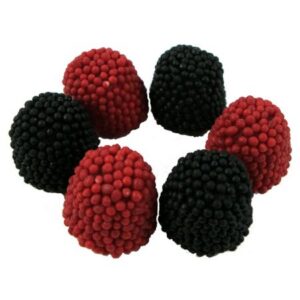
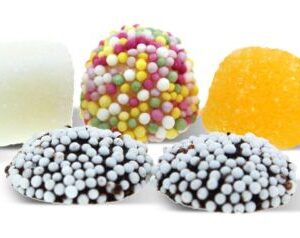
Our Holland items are wholesale cases, shown to approved wholesale accounts once signed in. Meanwhile, here are related products from our catalog.
Need a specific item or a larger volume? Request a quote.
Frequently asked questions
Which Dutch candy brands do you carry wholesale?
Gustaf leads for licorice and gummies. Gerrit and Cloetta are here too. So are Castle and Fort Knox. Napoleon and Woogie round out the list.
What Dutch licorice do you stock?
Gustaf black laces and beagles. Rainbow laces and salty farm animals. Beehive honey and mint licorice chalk too. Then creamy licorice caramel, sugar-dusted griotten cubes and sugar-free licorice bears.
Is there kosher or vegan Dutch candy?
Yes, some of the Holland range is kosher or vegan. Each product page shows which ones.
How's Dutch licorice different from regular licorice?
Dutch drop often gets its strong salty taste from ammonium chloride. It’s a lot more intense than American or British licorice. Salt levels run from mild to very intense, and product pages note each one.
How do I set up Dutch licorice bins?
Line them up from mild to salty and mark the level on each bin. Shoppers pick by strength that way. Fewer get caught out by the salty ones.
Which allergens turn up in Holland candy?
Soy and tree nuts show up most. So do milk and peanuts. Wheat and eggs appear too. Full allergen info is on every product page.
Can I buy Gustaf licorice by the case?
Yes, in several formats. Case quantities and current availability are on each Gustaf product page.
Quick answer
CandiesWholesaler carries 198 Dutch sweets from Holland. That includes Gerrit’s stroopwafels, Gustaf salted licorice and Cloetta sour gummies. Anyone can buy, with no minimum order. Prices show without logging in, and wholesale accounts get wholesale pricing on US shipments.
Dutch candy means licorice, mostly. The Netherlands has its own take on it, and it has a loyal following among Scandinavian-heritage shoppers and European import grocers. If you’re after Dutch candy wholesale from Holland, by the case or the bulk bag, we’ve got more than 198 products. Licorice and gummies make up a lot of it. There’s sour candy and toffee-caramel too. Then hard candy and chocolate. Some are kosher and some are vegan.
Brands from Holland
Gustaf leads here. It has one of the longest licorice lines we know of. There are black laces and rainbow laces. Beagles and farm animals too. Then beehive honey. Creamy licorice caramel. Mint licorice school chalk. Sugar-coated licorice gummy cubes (griotten) are in there, and so are blue raspberry dolphins and raspberry pigs. Red berry beagles and sugar-free licorice bears finish it off. Gerrit and Cloetta are in the mix. So are Castle and Fort Knox. Napoleon and Woogie too. Between them they add more gummies and sour candy, plus toffee and chocolate. Cloetta sour bears are one of those.
Dutch Candy Types and Flavors
Drop is what the Dutch call licorice, and nobody else treats it quite the way they do. A quick tour helps if you’re explaining it to someone who’s never tried it.
- Black and salty licorice is where newcomers usually start. Black laces and beagles sit here. So do the salty farm animals at salt level 1. The salty bite comes from ammonium chloride, and that’s what sets Dutch drop apart from ordinary licorice. Have a look at the licorice category for everything we carry.
- Licorice-fruit and novelty mixes are milder. Think beehive honey and mint licorice chalk. Creamy licorice caramel and the raspberry pig gummies belong here too. They make a decent stepping stone for shoppers working up to the salty ones.
- Fruit gummies and winegums cover the jelly side. Mix fruit winegums and the raspberry pig gummi are firmer than American gummies, and less sweet. They taste more of fruit. Cloetta sour bears add some sourness.
- Sour candy, toffee and chocolate fill the gaps for anyone wanting more than licorice. Our sour candy and toffee-caramel pages are the places to look.
Kosher and vegan options are in the Holland range. There are sugar-free formats too. Allergens that come up include soy and tree nuts. Milk and peanuts show up as well. So do wheat and eggs. Each product page has the full details. In pick-and-mix bins, mark the salt level on the salty ones. Shoppers then pick by strength, and fewer of them get a shock.
Bulk Sizes and Larger Volumes
Some Gustaf items come in big bulk formats, up to roughly 18 pounds a unit. Think about storage and turnover before you commit to the largest packs. For larger volumes, talk to us through the contact page.
Who Buys Dutch Candy in Bulk
European and Scandinavian specialty grocers buy it most steadily, with Gustaf licorice as the anchor. Pick-and-mix operators build Scandinavian or European bins out of the gummies and licorice. Gift-basket makers use Gustaf assortments in their candy gift packages. Event planners and dessert-table stylists order gummies for color. Online import-candy shops carry Dutch licorice and Gustaf by name. European-themed restaurants and cafes put Dutch sweets out at the table or the counter.
Merchandising and Reorders
Put black licorice laces and beagles up front. Line the bins up from mild to intense salt so shoppers can work their way along. We’d keep the milder licorice-fruit mixes and fruit winegums as the volume bins. Sugar-free licorice bears are for the shopper who asks for them by name. Dutch candy sells all year, with a bump in winter gift season and around Scandinavian and Dutch events. Reorder when a bin empties, and add depth before those windows.
Retail Versus Foodservice Use Cases
Mostly this is retail. Gustaf’s range suits the pick-and-mix wall. A shopper who loves drop buys several shapes and salt levels in one visit, so scoop-and-weigh bins do well. Pre-weighed bags of black laces or beagles work as grab-and-go for regulars who know what they want. Foodservice is smaller. European-themed cafes and restaurants set out Dutch licorice as an after-meal or counter item, and the big bulk formats suit them. If you do both, one order covers it. Big bulk packs go to scoop bins. Winegums and laces go to packaged retail or counter bowls.
Helping First-Time Buyers Try Dutch Licorice
Plenty of shoppers have never had salty drop, and it can surprise them. So give them an easy way in. Stock the milder ones up front. Beehive honey and raspberry pigs. Creamy licorice caramel. Call them the gentle starting point on the sign. Then put the salt level on every salty bin. It helps to ask customers whether they’ve had Dutch licorice before and steer newcomers up the salt scale slowly. Someone who grabs a high-salt bag expecting sweet candy won’t leave happy.
Ordering and Pack Sizes
Holland candy here comes mostly in bulk bags. Unit weights run from one pound up to roughly 18 and a half pounds for the largest formats. Case quantities are on each product page. Approved wholesale buyers get wholesale pricing through the wholesale account page. Prices are in USD and we ship within the United States. Want a bigger Scandinavian section? Our Swedish candy and Danish candy pages are worth a look. The Finnish candy range is handy for comparing European licorice.
Retail or wholesale. Accounts optional.
Two price lists, one catalog. Everyone gets our importer-direct retail price, already well below typical shelf prices, and you don’t need an account or a minimum order to buy. If you’re coming back often, it’s worth applying for a wholesale account, since approved accounts pay less per case and get order management on top. Bigger order, or a mix you can’t find in the catalog? Just ask us for a quote.