
By the form factor · Bulk & by the case
Wholesale Boxed Candy & Gift Sweets for Retail and Resale
Quick answer
We have 10 boxed candies, including Belgian pralines and French truffles. There are Greek boxes too. Retail shoppers and wholesale buyers order from the same catalog across the US, with no minimum order.
Boxed is where the gift candy lives. We carry 10 boxed products, and the package is the point. A box says occasion. It’s what someone grabs when the candy is a present and not a snack. This is our smallest format, and it leans premium. Pack weights run from about 0.31 lb up to 1.32 lb per item. They suit gift baskets and host presents, or an impulse luxury add-on. They aren’t built for a candy-by-the-pound wall. If your shop sells gifts as much as sweets, this is where the higher-ticket units sit. A box also arrives looking finished. Nobody needs ribbon or wrapping of their own.
What comes in a box
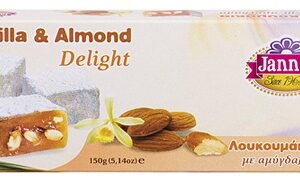
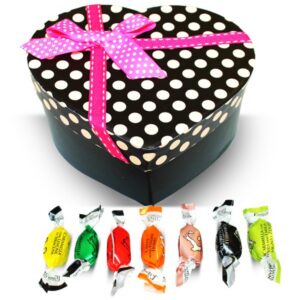
Belgian and French chocolate leads the range. There are chocolate sea-shell pralines in a fancy box, and more in ribbon gift boxes. Assorted dark Belgian pralines come wrapped with a bow. Fancy gold French classic truffles are here too. Mozart balls arrive in a fancy box. Past chocolate you’ll find a sesame halva snack box in vanilla and marble, plus walnut. There’s a licorice-root box. Greek boxes come in almond-vanilla and pistachio-vanilla. Types are chocolate and licorice, plus other candy. Origins cover Belgium and Greece, then France and Germany, then Israel and Italy. That gives the section a clear international-gift feel. Colors run brown and white. Some boxes are assorted. Others are yellow and blue. Gold shows up too. Mostly that’s ribbon and finish. In this format the outside sells as hard as the candy inside.
Setting up a gift box display
Boxes sell on looks. Face them forward so the ribbon and gold finish show, not spine-out like a bar. Put the section by the register or on a gift table, where occasion shoppers look. The packaging does most of the talking on price. Pralines sit beside Greek boxes and halva and licorice root, so one table covers a few kinds of gift. Some people want a polished chocolate present. Others are hunting for a food gift because their friend already owns every common box of chocolates.
- Put the ribbon and bow chocolate boxes up front, since the finish sells at a glance.
- Gold French truffle box and Mozart-ball box make good anchors.
- The Greek and halva boxes suit shoppers after something less common.
- We like the licorice-root box as a small extra by the register.
- Around the holidays a ready-to-give table saves people time.
Two price tiers in the set
There are really two groups here. Up top is the premium chocolate group: the gold French truffle box and the bow-wrapped dark Belgian pralines, with the sea-shell praline boxes and Mozart balls beside them. Somebody buying a big gift picks from these, and they want the package to look right. They carry the highest tickets and look best face-up under good light.
Then come the smaller ribbon boxes and the Greek, halva and licorice-root boxes. They’re for a host gift or a quick thank-you. Maybe a regional gift for someone who already gets chocolate from everybody. Carry both groups and one customer can leave with a centerpiece gift plus a couple of little ones. Six countries show up across the boxes too, so shoppers can choose by origin. French truffles go to one recipient and Belgian pralines or the Greek boxes to another.
Gifting season sets the pace
Next to tins, boxes are the most seasonal thing we sell. The ribbon-and-bow chocolate boxes are made for the gift calendar. Bring stock in early and have the table ready before the rush. The Greek and halva boxes carry on through the year for host gifts and food gifts, so they can keep a facing all year while the chocolate boxes ramp up. Chocolate boxes are seasonal and heat-sensitive. Time their arrival for cooler months and skip deep stock in summer.
Heat and breakage
Chocolate boxes get the same heat care as the bars. Order for a cooler window, keep them off a hot dock and out of the sun. Pralines and truffles can bloom or lose shape otherwise. And there’s the box itself. If a corner is crushed or a bow is flat, that gift is dead even when the candy’s fine. Open cartons gently and don’t pile heavy ones on top. We’d pull a damaged box from the display, not mark it down. Halva and licorice-root boxes take heat better. They still need to arrive clean.
Allergens and diets, plus US shipping
Soy and tree nuts show up most across the boxed range, along with milk and wheat. Peanuts and eggs appear as well, coming from the praline and truffle contents and the marzipan-style and halva pieces. Nut-containing gift boxes deserve clear allergen signage. Every box is sealed and labeled, so any nut question gets answered from the label. Our data has no special-diet or kosher flag for anything in this section. Check the product page before you promise a customer either one. We ship within the United States. Boxed pairs well with tins for a two-tier gift program, and bulk and bagged lines cover the everyday candy shopper.
Direct Importer
European candy, sourced at origin
Open to Everyone
Retail & wholesale · no minimum order
Secure card checkout
Pay by card, order confirmed on payment
Nationwide US Shipping
Shipped across the United States


Available in this format
Filter
Nothing is tagged Boxed at the moment, so here are the closest matches from our current catalog.
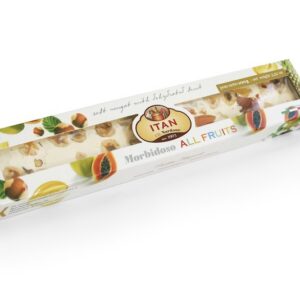
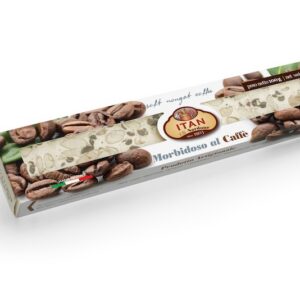
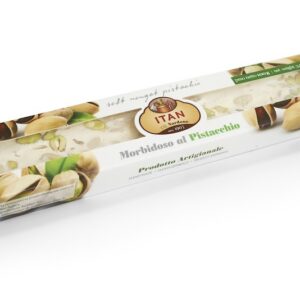
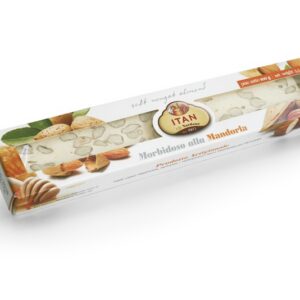




Need a specific item or a larger volume? Request a quote.
Frequently asked questions
What comes in the boxed format?
Mostly Belgian and French chocolate. That means sea-shell pralines and ribbon and bow gift boxes, plus gold French truffles and Mozart balls. Specialty boxes include the Greek ones, sesame halva and licorice root. Origins include Belgium and France plus Greece and Germany. Israel and Italy too.
How big are the boxes?
Pack weights go from about 0.31 lb to 1.32 lb per item. They’re sized for gift baskets and host gifts, not by-the-pound selling.
When do boxed gifts sell best?
With tins, boxes are the most seasonal format. The ribbon-and-bow chocolate boxes peak in gifting season. The Greek and halva boxes also work for host and food gifts year round.
How should boxed candy be handled?
Chocolate boxes are heat-sensitive, so ship in cooler windows and keep them out of sun. The box has to arrive looking perfect too. A crushed corner or flat bow ruins a gift. Unpack gently and don’t stack heavy cartons on them.
Which allergens are common in the boxed set?
Soy and tree nuts show up most. Milk and wheat are common too. So are peanuts and eggs. That comes from the praline and truffle contents plus the marzipan-style and halva pieces. Keep allergen signage clear on nut-containing gift boxes.
Are any boxed items kosher or special-diet?
None carries a recorded special-diet or kosher flag in our data. Check the individual product page before you promise a customer either one.
Can boxed gifts ship outside the US?
No. We only ship within the United States. You pay by secure card at checkout.
Retail or wholesale. Accounts optional.
Two price lists, one catalog. Everyone gets our importer-direct retail price, already well below typical shelf prices, and you don’t need an account or a minimum order to buy. If you’re coming back often, it’s worth applying for a wholesale account, since approved accounts pay less per case and get order management on top. Bigger order, or a mix you can’t find in the catalog? Just ask us for a quote.