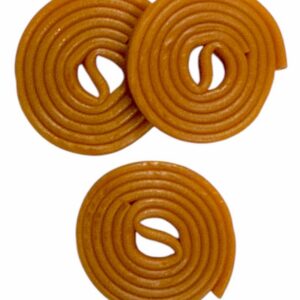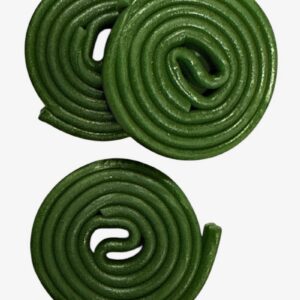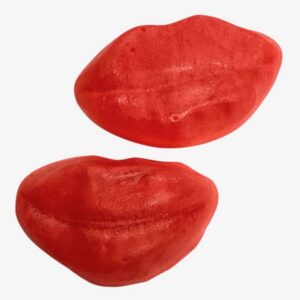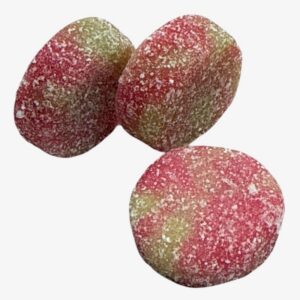
If you only had room for one Spanish thing it’d be turrón, the almond nougat that pretty much all of Spanish confectionery grows out of. There’s a lot around it though. Spain has a big gummy and jelly habit and makes fruit-flavored hard candies too, and there’s usually some seasonal specialty coming and going. Because they turn out so much of both the old-style nougat and the modern gummies, a Spanish section ends up working as half gift shelf and half everyday candy without you having to force it.
Turrón: the Spanish signature
Turrón is almonds and honey worked into a nougat, and you’ll find it hard (that’s Alicante) or soft (Jijona). Demand jumps a lot around the winter holidays, so we’d treat it as the middle of a Spanish sweets program and as a Q4 gift that mostly sells itself.
Gummies and everyday lines
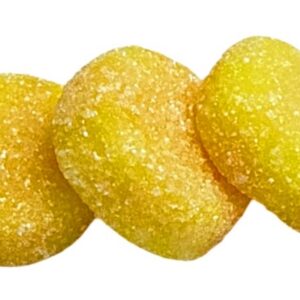
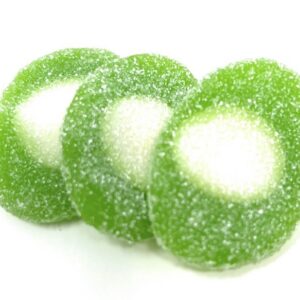
Then there’s the modern side, and it’s a sizable one. Spain makes fruit gummies and foam sweets in real volume (sour lines too) and it’s that everyday stuff that keeps the section turning over once turrón season is behind you.
Stocking Spanish candy
So we’d lead with turrón for the holidays and gifting and lean on gummies and jellies for everyday volume. To put it together have a look at the Spanish lines and the nougat category, with gummies right next door.
FAQ
What is Spanish candy known for?
Turrón first, the almond-and-honey nougat that comes hard or soft. After that we’d look at Spain’s big modern gummy and jelly industry and the seasonal holiday sweets it puts out.
When does Spanish turrón sell best?
It spikes hard around the winter holidays. We’d plan it as a Q4 seasonal and gift thing rather than something you carry all year.