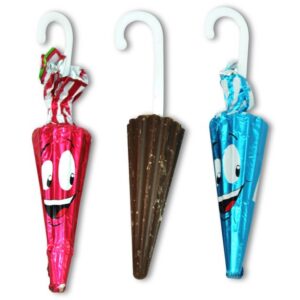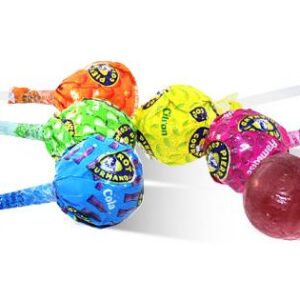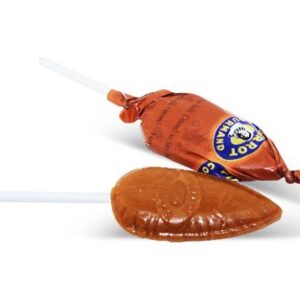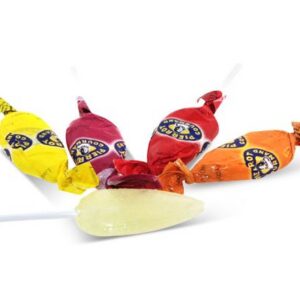
For a specialty shelf we’d go for the elegant fruit-forward side of French candy. That means pâtes de fruits (fruit jellies) and salted-butter caramels. Soft nougat is good too. So is guimauve, the French marshmallow. Then there are oddities like calissons and berlingots from particular regions. It all looks refined and gift-worthy, pretty much what a premium shelf is after.
French confectionery character
If you’d asked us, French candy leans toward fruit and butter and almond. It goes lighter on the heavy chocolate-and-caramel combos you see elsewhere. Each of those has its own home region though. Pâtes de fruits are fruity jellies dusted in sugar. The salted-butter caramels trace back to the buttery northwest. Down in the Provençal south you get soft nougat and almond calissons.
What to stock for resale
Our own order would start with the fruit jellies and the salted caramels, since they please the widest crowd and look lovely once they’re boxed. Nougat and guimauve can come after, just for a bit of variety. Gifts are where they all merchandise nicely, and they also make an upscale little accent inside a mixed European section.
Build a French section
It works well to set French sweets beside related categories like caramels and nougat and marzipan or beside the fruit jellies and you can browse all the French lines to pull the range together.
FAQ
What is French candy known for?
Pâtes de fruits (fruit jellies) and salted-butter caramels, mostly. Soft nougat comes next, and marshmallow (guimauve) after that. There are regional specialties such as calissons and berlingots as well.
What French candy sells best at retail?
Fruit jellies and salted caramels tend to sell best, since lots of people like them and they look good boxed. A gift shelf is a natural home for them.