Walk down a European candy aisle and then an American one and you’ll notice it fast, mostly because the Europeans seem to hold back on the sugar and keep the ingredient lists shorter. They lean on regional oddities like licorice and marzipan and those filled wafers (nothing quite like them back home). American candy goes big on sweetness and chocolate with caramel instead, plus the brand names everybody already knows. If you buy wholesale that difference is the whole appeal of the imported stuff, honestly. It gives a shelf some novelty that the domestic brands can’t really copy.
Ingredients and flavor
Hand someone a European bar and it often tastes less sweet than they expected, a bit more complicated, with a bitter or savory note sitting where plain sugar would be on an American one. Salty licorice from the Nordics is the one we think of first, honestly. Around the Mediterranean you get mastic and rosewater. Cocoa-heavier chocolate shows up almost everywhere on the continent, and I’d say it’s a different world from the American habit of milk chocolate with caramel or nougat. Peanut too. All of that is sweeter and richer and a lot less subtle.
Formats and packaging
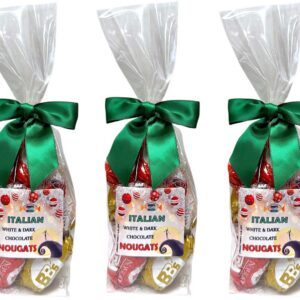
A lot of the European lines come as pick-and-mix pieces or filled wafers or boxed pralines, the kind of thing that sits happily on a specialty display or a gift table. American candy is more single-serve bars and sharing bags, stuff people grab at the checkout without thinking much. We like having both around, since you end up covering the quick grab on the way out and the slower trip someone makes when they want something special.
What it means for your assortment
Our take is that you don’t swap one for the other. Anchor a display with the familiar formats and then bring in some imported European lines that nobody can price-check against a big-box flyer. For a proper European corner you can browse by country of origin or go through the category pages to balance out the rest.
FAQ
Is European candy less sweet than American candy?
Generally, yes. The recipes tend to use less sugar. Every so often you’ll get a bitter or sour or savory note in there too (salty licorice is the classic one). American candy is aiming for sweeter and richer.
Why stock imported European candy?
It brings novelty and a sense of place to the candy aisle, and since shoppers can’t easily comparison-shop it against mass-market domestic brands it tends to hold up on margin as well.