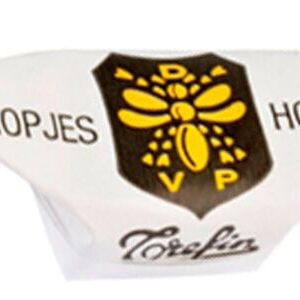
If somebody asked us over the counter, we’d tell them the Swiss made their name on milk chocolate that’s about as smooth as it gets (that comes from long conching, which we’ll get to) and the Belgians made theirs on the filled praline, the little molded shell with a ganache or cream center sitting inside. Both are premium. In practice the Swiss end of the shelf tends to be bars and that smooth texture, while the Belgian end drifts toward boxed filled assortments that people mostly buy to give away.
The Swiss strength: smooth milk chocolate
The smoothness everyone talks about comes out of conching (a mixing step that just goes on for a long, long time) and Switzerland is where that got pioneered, same as a good chunk of the work behind modern milk chocolate itself. Honestly that’s why we’d point you at the smooth milk bars and the hazelnut ones when it comes to Swiss lines, since most customers have already decided it’s premium by about the first bite.
The Belgian strength: filled pralines
So Belgium’s story is the filled praline. They popularized it and built a whole tradition on good couverture around it and what you mostly see from there are boxed assortments of molded chocolates with ganache or gianduja or cream inside, the kind of box that looks lovely handed over as a gift (and let’s be fair, that’s half of why people pick it up).
Which to stock
We don’t really see them fighting over the same spot. Swiss bars can hold the everyday premium shelf all year, and then when the gift and holiday stuff comes out we’d let the Belgian boxed pralines take the lead. If you want to poke around there are Belgian lines and Swiss lines to look through. Everything else lives in the chocolate category.
FAQ
Which is better, Swiss or Belgian chocolate?
Neither one really, if you ask us. Swiss gets talked about for smooth milk chocolate and Belgium for its filled pralines, so most premium programs carry both of them and let each do its own job.
What is the main difference between Swiss and Belgian chocolate?
It mostly comes down to smooth milk chocolate from long conching on the Swiss side. Belgium went the other way, toward filled molded pralines and good couverture.