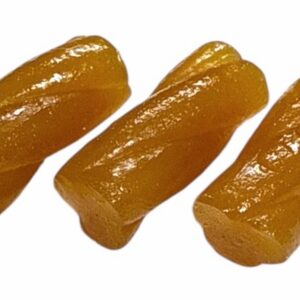
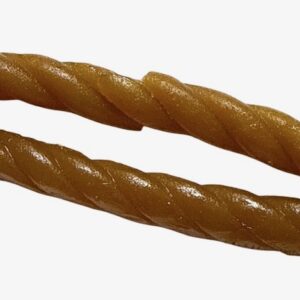
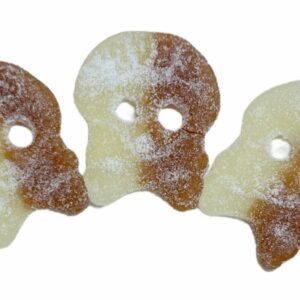
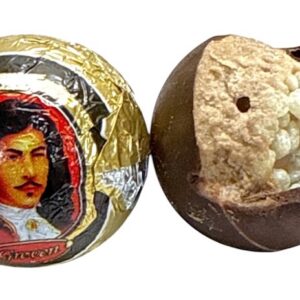
Swedish candy mostly means lösgodis, the pick-and-mix thing where you build your own bag. It’s picked up a real cult following outside Sweden, partly because the textures get so wild and partly because the flavors lean hard into sour and salty (salmiak licorice being the obvious example).
The pick-and-mix culture
In Sweden lösgodis is loose candy sold by weight out of open bins and it’s practically a weekend ritual, the sort of thing where somebody stands there staring at the bins deciding between soft gummies and firm ones. Foam (skum) sweets sit beside the wine gums. Chocolate-covered pieces are in there too and so is licorice, both sweet and salty. That’s honestly why a Swedish wall has so much texture going on.
Salty licorice (salmiak)
Salmiak is flavored with ammonium chloride and that’s where Nordic licorice gets its salty, slightly numbing bite (it’s an acquired taste, no question about that). It travels better than you’d expect as a novelty though, and it sits right at the center of the Swedish and broader licorice category.
Stocking Swedish candy
Pick-and-mix wall or a bagged selection, it really comes down to your space. We’d probably lead with the sour gummies and wine gums that most people like and then slip in salty licorice and foam sweets for the customers who already know what they want. The whole Swedish candy range is there if you’d like to look.
FAQ
What is Swedish candy called?
Lösgodis just means loose candy sold by weight, and it takes in gummies and wine gums. Foam sweets and licorice come under it as well.
Why is Swedish candy so popular?
People outside Sweden got hooked on the mix of textures and those bold sour and salty flavors, and I’d guess the build-your-own-bag part did a lot of the work too.